On this page
- What Malaysian fatwas say about tattooing
- Why halal tattoo ink does not change the ruling
- Where the halal ink idea comes from
- Halal cosmetics are a different thing
- Wudu, prayer and existing tattoos
- Henna, temporary tattoos and black henna
- Sulam brows, lips and cosmetic tattoos
- For non-Muslim readers
- Frequently asked questions
Quick answer
Malaysian fatwa bodies hold that a lasting tattoo is haram for Muslims, both for the tattooist and the client. Their reasons concern the act itself, so a "halal tattoo ink" would not change that position. The ink question mostly comes from animal products in some inks. We found no Malaysian halal label for tattoo ink. This page explains the sources; it is not a religious ruling.
Most searches for halal tattoo ink come from a sincere place. Some people hope a certified ink would make a tattoo acceptable. Others, including many non-Muslims, simply want to know what goes into the bottle. This guide splits the two questions. First, it sets out what local religious bodies have said. Then it looks at what is in ink, vegan ink, henna, black henna and "sulam" brow work. We report what official bodies say. The choice, and the ruling for your own case, rests with you and your religious adviser.
What Malaysian fatwas say about tattooing
Our starting point is the 86th Muzakarah of the National Fatwa Committee, held in April 2009. Both the Negeri Sembilan Mufti Department and JAKIM's i-FIQH site set out what it decided:
- Tattooing is haram, both for the tattooist and for the person who asks for the tattoo.
- A person with a tattoo should repent and remove it with current methods, if that causes no harm.
- If removal would harm the body or life, the tattoo may stay, and Allah forgives it.
- No one needs to remove a tattoo after death.
- Councils that license tattoo shops should require non-Muslim owners and staff, and bar them from tattooing Muslims.
Selangor made the same position law in a fatwa dated 24 December 2010 and gazetted in January 2011. The Selangor Mufti Department sets out the licence point as a rule for councils to apply. Negeri Sembilan took up the national decision in 2017. It added that the tattooed area "adalah najis", or ritually impure. Other local sources put it differently, as we explain below.
The topic is still live. In March 2026, Religious Affairs Minister Dr Zulkifli Hasan spoke on it. He said tattoos "should not be normalised" among Muslims. According to The Malaysian Reserve, he also pointed people to JAKIM's KSKCareCentre and the MyCareJAKIM hotline for help.
Why halal tattoo ink does not change the ruling
The fatwa does not say tattoos are haram because of the ink. Instead, the reasons point to the act. A widely read local summary on waktusolat.digital gives three reasons. First, a tattoo changes Allah's creation. Second, it carries health risks, such as hepatitis B and skin reactions. Third, it has links with practices from outside Islam. None of these reasons turn on what the ink is made of.
In other words, even a plant-based or certified halal tattoo ink would still go into the skin by the same needles. So, on the local position, what is in the ink cannot make a lasting tattoo allowed. That is why this page treats the halal tattoo ink question as two topics: faith, and what is in the bottle.
Where the halal ink idea comes from
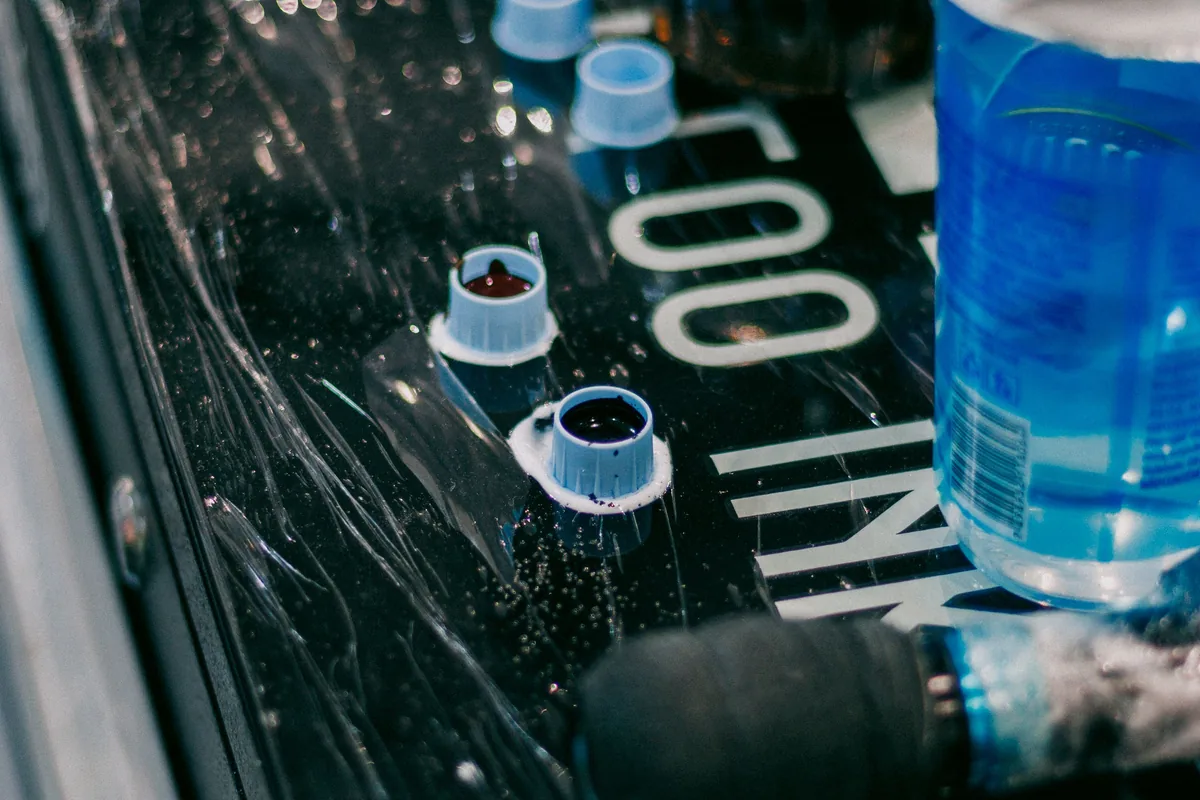
The idea grows out of a real issue. Some tattoo inks have used animal products. The Wikipedia entry on tattoo ink notes that vegan inks avoid animal by-products. Its examples are bone char, glycerin, gelatin and shellac. Here is what each one is:
- Bone char: burnt animal bone, once a source of black pigment.
- Glycerin: a common base that can come from plants or animal fat, so the label may not say which.
- Gelatin: made from animal skin and bone, and sometimes used when making ink.
- Shellac: a resin from the lac insect, used to bind pigment.
Because of these, vegans ask artists about ink brands. Muslims who care about animal sources in other products ask the same kind of question. That overlap is where the phrase "halal tattoo ink" took hold. However, an ink with no animal products is "vegan". That word is a claim about what is in it, and nothing more.
How to ask an artist about ink
If ink contents matter to you for any reason, ask before the session. A good artist will tell you which brands they use for black and for colour. Then check the maker's own website for a vegan statement or a list of what is in it. Also ask about the stencil gel and aftercare cream, since these touch your skin too. Our guide on how to choose a tattoo artist lists more questions worth asking.
Halal cosmetics are a different thing
Many lipsticks, creams and soaps in Malaysia carry a halal logo. That logo tells you about what is in the product and how the maker made it. It does not tell you whether a procedure is allowed. So a halal logo on a lipstick and a "halal" claim for a tattoo ink answer different questions.
In our research, we found no Malaysian halal label for tattoo ink. If you see an ink or a studio sold as halal, ask who made the claim and what it covers. Even then, keep in mind that the national fatwa is about the act of tattooing, not the product.
Wudu, prayer and existing tattoos
Many Muslims with old tattoos, from before they practised or before they converted, worry about wudu. A widely read local source says an old tattoo does not cancel wudu or solat. Its reason is simple: the ink sits under the skin, so it does not stop water reaching the surface. However, Negeri Sembilan calls the tattooed area najis. So views differ, and it is worth asking your state religious office.
What about converts? The Federal Territories Mufti's office has reportedly said a person tattooed before they became Muslim, or by force, does not have to remove it. We could only read this in a summary, so please check with the office. Thinking of removal? Our tattoo removal guide covers laser, doctor-led clinics and how many sessions to expect.
Henna, temporary tattoos and black henna
Henna, or inai, sits in a different place in local practice. The waktusolat.digital summary says the 88th Muzakarah, also in 2009, allowed henna for women with floral designs. There are conditions, so check them with your state mufti. Henna stains only the top layer of skin and fades within weeks. It also needs no needles.
Black henna is a health issue, not a faith one. Stalls at beaches and night markets sometimes sell jet-black "henna" that darkens fast. That colour often comes from PPD, a hair-dye chemical. DermNet warns that high levels of PPD in black temporary tattoos may cause intense blisters within one to two days. People can also become sensitive to it for life, then react to hair dye later. Real henna stains orange to reddish brown, so treat instant black designs with care.
We found no Malaysian fatwa source on stick-on temporary tattoos. If this matters to you, ask your state religious office rather than social media.
Sulam brows, lips and cosmetic tattoos
Eyebrow work, or sulam kening, is very common here. So are sulam bibir for lips and powder brows, called sulam bedak. Many salons sell these as semi-permanent. Even so, the waktusolat.digital summary says sulam is still haram if needles put lasting ink under the skin. The name of the service does not change that. The Federal Territories Mufti's office has also put out an Irsyad Hukum on sulam bedak, listed as number 556.
Debate turns on two points: whether pigment goes under the skin, and how long it lasts. These are hard to judge from outside, and each salon describes its method in its own way. So if you are a Muslim thinking about sulam, ask the salon exactly how they apply pigment. Then take that answer to your state mufti's office. Some salons also say their pigments are halal. But, as with tattoo ink, the local position looks at the method, not the product.
We are not a religious authority. This page reports what Malaysian fatwa bodies and religious offices have said, with links where we could read them. For a ruling on your own case, contact your state mufti's office or JAKIM.
For non-Muslim readers
If you are not Muslim and just want an ink free of animal products, the useful phrase is "vegan ink", not halal tattoo ink. Ask your artist which brands they stock, and give them time to order ink if needed. Also read our guide to whether tattoos are legal in Malaysia. It explains why studios usually serve non-Muslim clients and how licences work. Visitors can find practical tips in our guide to getting a tattoo in Malaysia as a tourist.
Frequently asked questions
Is there halal tattoo ink?
We found no Malaysian halal label for tattoo ink. Vegan inks avoid animal by-products such as bone char, gelatin and shellac. However, Malaysian fatwas hold that a lasting tattoo is haram for Muslims because of the act, so the ink does not change that.
Are tattoos haram in Islam according to Malaysian authorities?
Yes. The National Fatwa Committee's 86th Muzakarah in 2009 decided that tattooing is haram for both the tattooist and the client. Selangor made the same position law, and Negeri Sembilan took it up in 2017.
Can a Muslim have a tattoo in Malaysia?
Under the national fatwa, Muslims should not get tattoos. Licence rules aim to stop studios from tattooing Muslims. The fatwa also asks people with tattoos to repent and remove them, if that causes no harm.
Does a tattoo break wudu?
A widely read local source says no, because the ink sits under the skin and does not block water. Negeri Sembilan's fatwa calls the tattooed area najis, so views differ. Ask your state religious office.
Is henna allowed for Muslims in Malaysia?
A local fatwa summary says the 88th Muzakarah in 2009 allowed henna for women with floral designs, with conditions. Avoid black henna, which can contain PPD and cause bad skin reactions.
Is sulam kening haram?
Local summaries say sulam is haram if needles put lasting pigment under the skin, whatever the salon calls it. Ask your salon how they work, then check with your state mufti.
Is vegan tattoo ink the same as halal?
No. Vegan describes what is in the ink and nothing else. A halal logo also looks at where things come from and how they are made. Still, no logo can answer the fatwa, which is about the act.